How to Choose the Right Traditional Ashtanga Yoga Teacher Training Program
Ashtanga Yoga is one of the oldest and most rigorous forms of yoga. It is an incredibly transformative practice due to its intense nature and how it harmoniously integrates the mind, body, and spirit. Rooted in ancient Indian wisdom, it emphasizes a disciplined and dynamic sequence of asanas linked with breath or pranayama and concentration, known as dharana. If you’re seeking to deepen your practice or pursue a teaching career, Ashtanga Yoga Teacher Training Course (TTC) is a challenging yet invigorating experience. However, choosing the right traditional Ashtanga Yoga Teacher Training Program is crucial to ensure you receive authentic teachings that stay true to the lineage while preparing you for a successful career. So how do you know if the Ashtanga Yoga Teacher Training Program you are choosing is the right choice and what should you look for in a traditional Ashtanga Yoga TTC?

1. Authenticity of the Lineage
When it comes to traditional Ashtanga Yoga, lineage matters. To receive an authentic education, it’s essential that the Ashtanga Yoga TTC follows authentic and real teachings, and the course is conducted by teachers who have been trained by authorized or certified teachers directly in this tradition.
One of the key indicators of a legitimate Ashtanga Yoga Teacher Training Program is whether the teachers have studied the authentic course themselves. Are they training in Mysore Style Ashtanga Yoga Teacher Training? Are they authorized (able to teach Primary and possibly Intermediate series) or certified (qualified to teach all six series of Ashtanga Yoga)? Always check if the head teacher of the program has received their qualifications through an authentic Mysore Style Ashtanga Yoga Teacher Training Program.
Ensure the program honors the traditions of Ashtanga. Many contemporary yoga teacher training programs fuse various yoga styles, but if your goal is to truly immerse in Ashtanga, you’ll want a program that retains its roots in Mysore-style practice, self-practice (Mysore class), and traditional methods.
2. The Depth and Scope of the Curriculum
The depth of the curriculum is another critical factor to assess when choosing a traditional Ashtanga Yoga teacher training program. A comprehensive Ashtanga Yoga TTC should cover not just asana practice but also yoga philosophy, pranayama, meditation, and anatomy.
The program should place a heavy emphasis on learning and practicing the traditional sequences of the Ashtanga Primary Series and, if applicable, the Intermediate Series. Proper alignment, modifications, adjustments, and injury prevention should be thoroughly explored. To get an idea of what this includes, you can try going for Ashtanga Yoga classes before joining a yoga teacher training program.
Pranayama is a key aspect of Ashtanga Yoga, and a good program should include detailed pranayama practices that are gradually introduced to support asana practice. Meditation is also integral to cultivating mindfulness and awareness, both of which are essential qualities in an Ashtanga practitioner and teacher.
It’s also helpful to look for a program that provides a sound understanding of functional anatomy in the context of yoga practice. This should include the physical benefits of each pose, the importance of bandhas (energy locks), and the impact of breath on the body’s systems. This will help you get a far deeper understanding of asanas and how they look and feel.
A strong curriculum will also have modules on the teachings from Patanjali’s Yoga Sutras and the Eight Limbs of Ashtanga Yoga (Ashtanga means “eight-limbed”), which are central to understanding the spiritual philosophy behind the practice. The study of ancient texts like the Hatha Yoga Pradipika and Bhagavad Gita might also be included, providing students with a deeper understanding of yoga beyond asanas.
3. Program Structure and Format
Traditional Ashtanga Yoga teacher training programs are generally rigorous, requiring dedication and discipline. Before enrolling in a program, it’s important to consider whether the structure and format of the course align with your lifestyle and learning preferences.
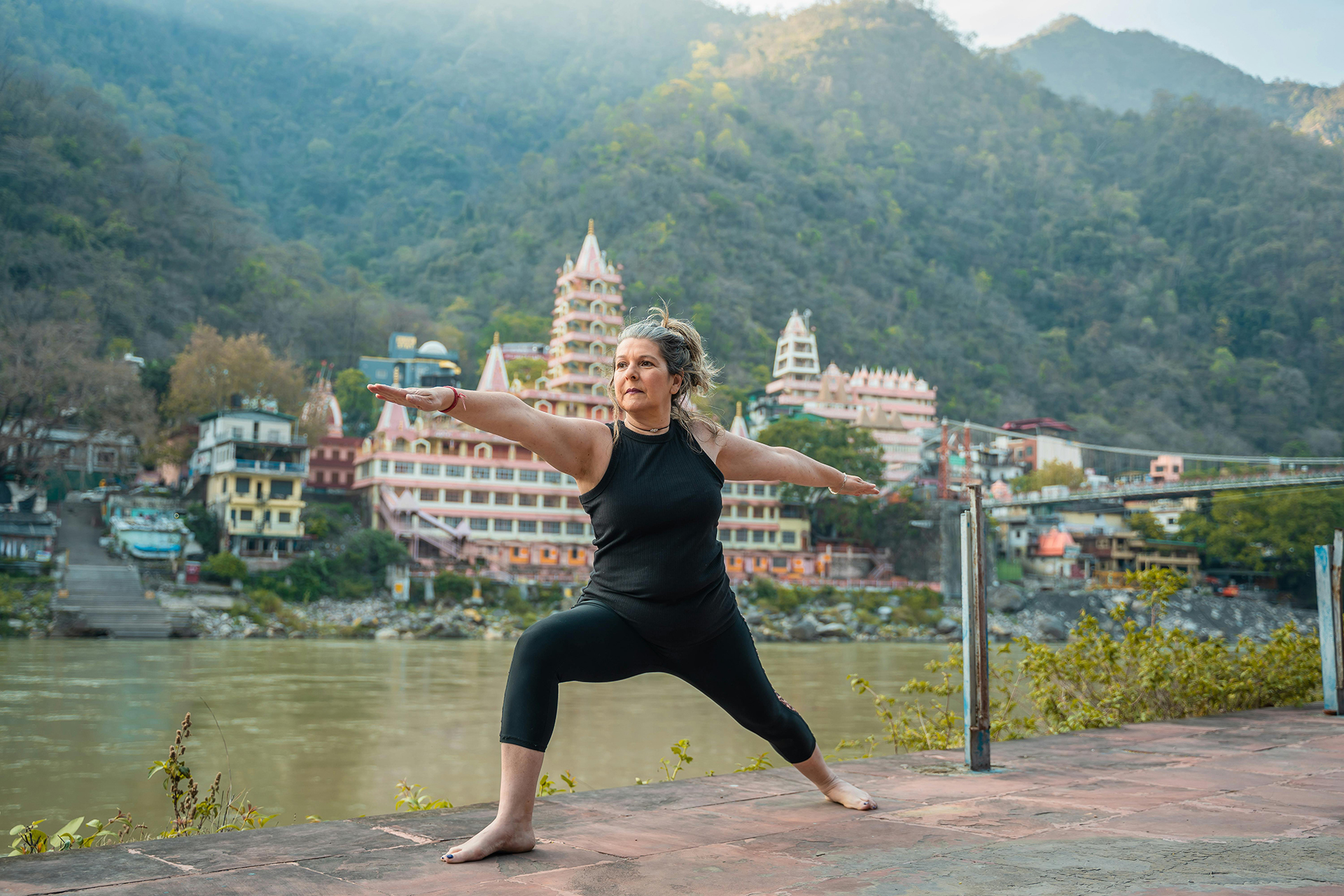
Some programs offer intensive, full-time formats that run for a period of several weeks to two months. These are ideal if you’re looking for an immersive experience. On the other hand, modular programs allow you to complete your training over a longer period, which may be more suitable if you have other commitments. You can even choose offline traditional Ashtanga Yoga Teacher Training courses in Goa, Rishikesh or other beautiful spots in India.
In traditional Ashtanga, students are encouraged to develop their self-practice. A good Ashtanga Yoga TTC will include daily Mysore-style classes where you’re given the space to practice independently with guidance from the teacher. This format allows for personalized instruction and supports your journey toward mastery of the practice.
4. The Teachers’ Experience and Teaching Style
Your teachers play a pivotal role in shaping your learning experience. Choose a program led by experienced Ashtanga Yoga practitioners who are deeply committed to the tradition. Teachers who have a long-term personal practice and a track record of teaching Ashtanga Yoga are ideal. Reading reviews and testimonials from former students can also provide insight into the teacher’s abilities.
The Ashtanga system requires a teacher who is patient, observant, and clear in their instructions. A good Ashtanga teacher can strike a balance between maintaining the rigor of the practice while supporting individual growth and development.
5. Accreditation and Certification
Most aspiring yoga teachers aim to obtain a certification that allows them to teach internationally. Therefore, it’s important to ensure that the program you choose is recognized by a governing body like Yoga Alliance. While accreditation by Yoga Alliance is not a definitive measure of quality, it is often required for those seeking teaching opportunities in studios worldwide. Ensure the program offers a 200-hour or 300-hour certification that meets Yoga Alliance standards. However, remember that attaining the certification doesn’t mark the end of your learning journey but rather the beginning of deeper exploration.
6. Location and Immersive Experience
Many traditional Ashtanga Yoga teacher training programs are conducted in India. There is something truly special about learning Ashtanga in India. Being immersed in the culture, the energy, and the birthplace of Ashtanga adds a layer of depth to your learning. However, if traveling is not an option, there are traditional programs available worldwide that retain the authenticity of the practice.
Some programs are hosted in a retreat setting, allowing you to disconnect from the outside world and focus fully on your training. Others take place in urban settings, which may better suit those who prefer to stay connected to their daily lives while undergoing training.
7. Post-Training Support and Community
A supportive community can greatly enhance your post-training journey, especially as you begin your career as a yoga teacher. Does the program offer mentorship or post-training support? It’s invaluable to have a teacher or mentor you can turn to as you begin teaching, particularly in the early stages. Moreover, a strong alumni network can offer ongoing support, job opportunities, and a sense of belonging.
Choosing the right traditional Ashtanga Yoga teacher training program is a personal decision. Take your time to research, reflect on your intentions, and evaluate the various options. Whether you choose to immerse yourself in a traditional Ashtanga Yoga TTC in India, or find a local program, ensure that the program you select honors the integrity of the Ashtanga tradition while providing you with the tools, knowledge, and experience needed to become an authentic, dedicated Ashtanga yoga teacher.