Why do we practice challenging asanas in Ashtanga Yoga?
Ashtanga Yoga is renowned for its physically demanding asanas and structured sequences. While it can be an intense and sometimes intimidating practice, many wonder why it’s necessary to challenge both the body and mind in this way. What makes these difficult postures such an essential part of the practice, and what benefits do they offer?
In this blog, we’ll explore the reasons behind practicing challenging asanas in Ashtanga Yoga, the philosophy supporting this rigorous discipline, and how these postures contribute to holistic development in a yogi’s journey.
The Philosophy Behind Ashtanga Yoga
At its core, Ashtanga Yoga is not merely about physical mastery. It’s a path to self-awareness, self-discipline, and spiritual growth. The practice is grounded in the “Eight Limbs of Yoga” as outlined by the Maharishi Patanjali in the Yoga Sutras. These eight limbs are:
- Yamas (ethical conduct)
- Niyamas (self-discipline)
- Asanas (physical postures)
- Pranayama (breath control)
- Pratyahara (withdrawal of senses)
- Dharana (concentration)
- Dhyana (meditation)
- Samadhi (spiritual enlightenment)
The physical postures we practice are one aspect of this broader philosophy. In Ashtanga Yoga classes, the sequence of postures is carefully designed to challenge the practitioner at every level, that is, physically, mentally, and energetically. These postures are not just exercises for the body, but tools to train the mind and cultivate resilience, discipline, and focus.
Building Strength and Endurance
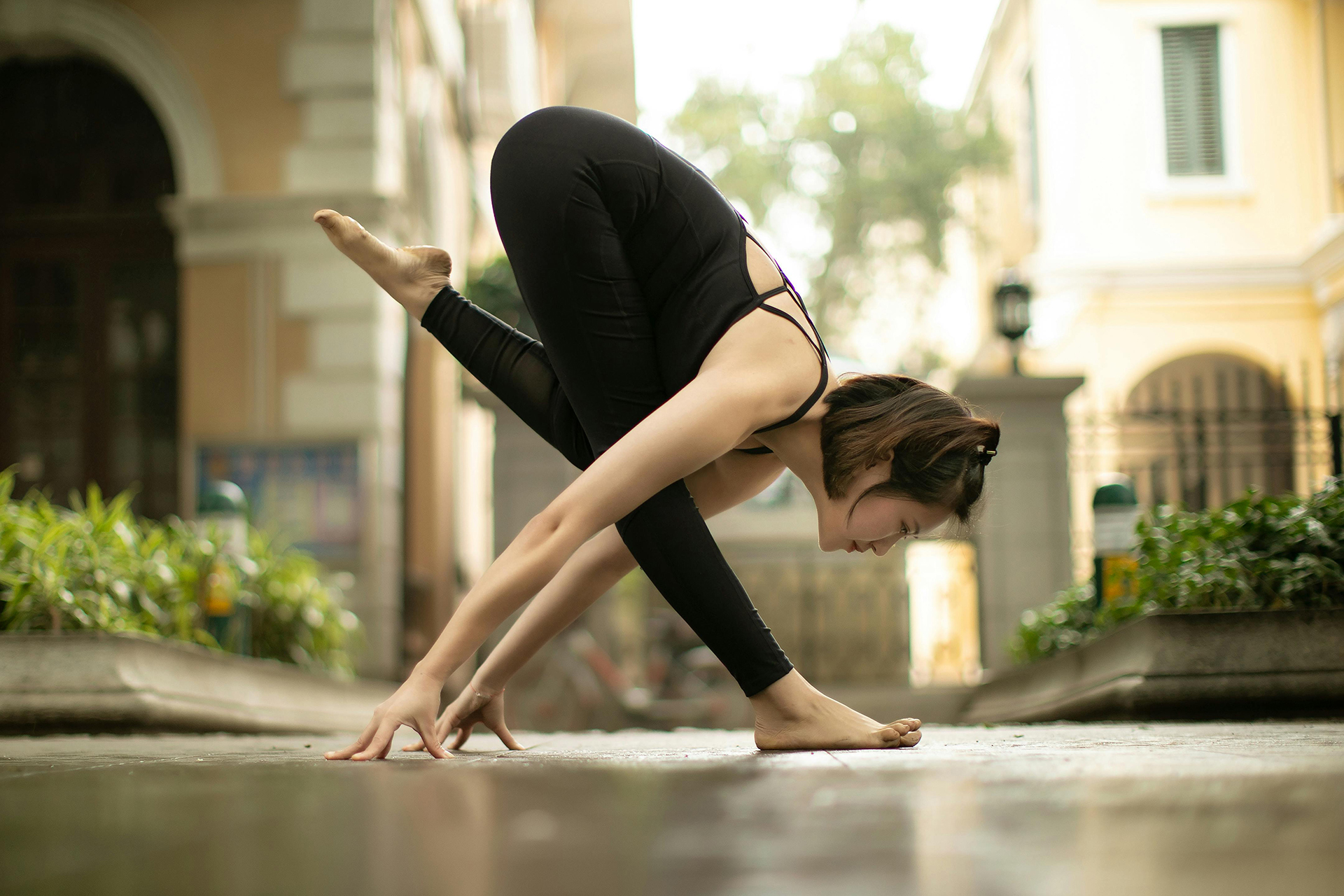
Challenging asanas like Bakasana (Crow Pose) or Utthita Hasta Padangusthasana (Extended Hand-to-Big-Toe Pose) demand strength, balance, and concentration. They push the practitioner to the edge of their physical limits, forcing them to use muscles and parts of the body they may not normally engage in daily life. This development of strength, endurance, and stamina, through Mysore-style Ashtanga Yoga asana practice, is not only a physical benefit but also supports mental fortitude. The body and mind are deeply connected, and by strengthening the body, we indirectly train the mind to persevere, stay focused, and overcome internal resistance.
For instance, holding a posture for an extended period or transitioning between difficult poses requires both physical energy and mental concentration. Over time, this builds internal endurance that serves us on the mat and in everyday life.
Mental Toughness: Cultivating Resilience and Patience
In a traditional ashtanga yoga class in Goa or otherwise, one develops immense mental strength through consistent practice. Ashtanga’s progressive sequence pushes the practitioner to their mental and emotional limits. By repeatedly encountering challenging poses, practitioners confront the natural tendencies of avoidance, impatience, and frustration. These mental obstacles are opportunities for growth.
When a practitioner faces difficulty in executing a pose, such as Pincha Mayurasana (Forearm Stand), it becomes clear that the challenge is not solely physical, but possibly fear in the mind. An Ashtanga Yoga teacher will encourage you to keep your calm despite discomfort or failure. This process is what Ashtanga Yoga encourages: the ability to remain steadfast in the face of difficulty.
Moreover, the consistency of practicing the same sequence of asanas allows practitioners to witness their progress and develop patience. As progress in Ashtanga is slow and steady, it requires immense dedication and the acceptance that mastery comes with time, in yoga and everyday life.
Purification of the Body and Mind
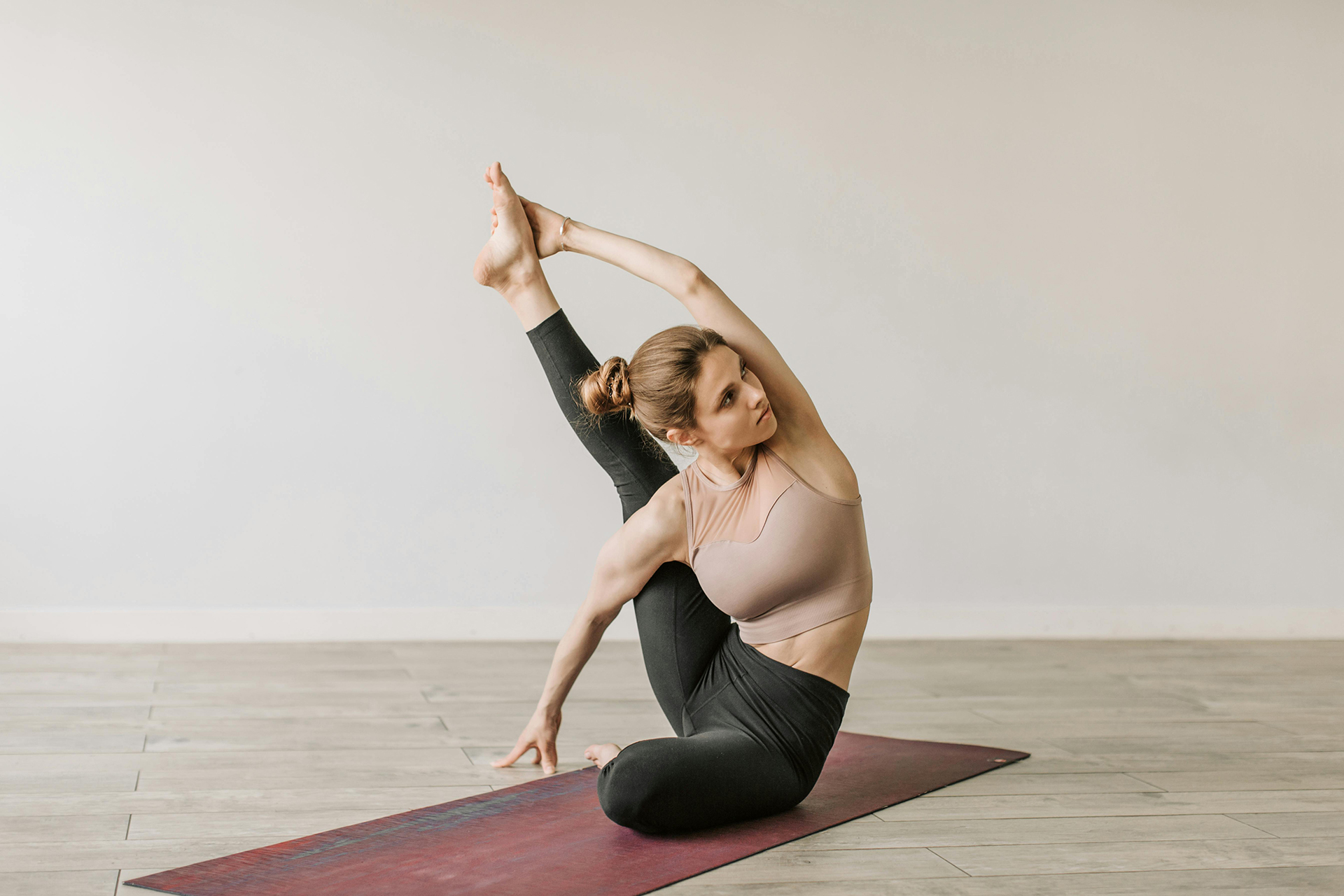
The challenging nature of Ashtanga Yoga is also essential for detoxifying the body and mind. Through the rigorous practice of difficult asanas, the body generates heat, known as tapas. This internal heat purifies the body by removing toxins, increasing circulation, and promoting the flow of prana (life force). In addition to the physical benefits, this purification extends to the mind, clearing out mental blocks, distractions, and unproductive thought patterns.
With each vinyasa (breath-linked movement), practitioners generate heat and promote deeper internal cleansing. This detoxification process also enhances mental clarity and emotional balance, allowing the practitioner to feel more centered and focused both on and off the mat. Students experience this effectively in a traditional Ashtanga Yoga Teacher Training course.
Ego Dissolution: Humility Through Challenge
In the journey of Ashtanga, encountering difficult asanas serves as a reflection of our mind. Often, we are faced with our own ego when we struggle to achieve or master a pose. The desire to perfect a posture or move quickly through the sequence can sometimes cloud the real purpose of yoga: self-awareness and self-acceptance.
Challenging asanas have a humbling effect, reminding us that yoga is not about performance but about inner growth. When a practitioner finds themselves unable to complete a posture, it can be a lesson in surrender, patience, and humility. This ego dissolution is an integral part of the yogic path.
Ashtanga’s intensity reminds practitioners that yoga is a practice of progress, not perfection. In fact, the more challenging the posture, the more opportunities there are for the ego to dissolve, allowing for a deeper connection with the present moment and the acceptance of where we are in our practice.
Breath as the Anchor
In Ashtanga Yoga, breath is the anchor that supports practitioners through challenging sequences. While difficult postures push the body to its limits, the breath is what keeps us grounded. Without proper breath control, the mind becomes scattered, and the body’s movements become erratic. The challenging asanas in Ashtanga force the practitioner to maintain a steady and controlled breath, even in moments of discomfort or exertion. This strengthens the connection between breath and movement, helping to cultivate mindfulness and focus. It also reinforces the idea that breath is more powerful than the physical body, providing a deeper sense of stability and calm amidst difficulty.
Breaking Physical and Mental Limitations
Ashtanga Yoga encourages practitioners to move beyond their perceived physical and mental limitations. A significant part of the practice is recognizing that the body and mind can go further than we often believe. Challenging asanas are the gateway to exploring this.
When a practitioner finally achieves a pose that once seemed impossible, such as Supta Kurmasana (Sleeping Tortoise Pose) or Dwi Pada Sirsasana (Both Legs Behind the Head), they realize that the limitations were not physical but mental. This realization fosters a sense of empowerment and self-belief that permeates other areas of life.
The practice of Ashtanga Yoga, therefore, becomes a metaphor for life. We face obstacles, we fall, we get back up, and we try again. By consistently practicing difficult asanas, we learn that persistence and dedication will eventually lead to breakthroughs, both on and off the mat.
Embracing the Challenge
The challenging asanas in Ashtanga Yoga are not just exercises meant to make the practice difficult for the sake of difficulty. Rather, they serve as tools for physical, mental, and spiritual growth. These postures test the practitioner’s strength, flexibility, patience, and mental focus, guiding them toward self-awareness, humility, and inner transformation.
Ultimately, Ashtanga Yoga is a path of self-mastery, and the difficult asanas are an essential part of that journey. Embrace the challenge and watch your mind and body become stronger and more resilient, as well as calm and focused.
At Ashtanga Yoga Mandir, you can immerse yourself in a Mysore-style Ashtanga Yoga practice in Goa, where we believe that it is through these challenges that true growth and transformation are achieved, leading you to your highest potential.