Foundations: How to Create a Strong and Stable Mysore-style Ashtanga Yoga Practice
Mysore-style Ashtanga Yoga is renowned for its personalized approach, where practitioners follow a set sequence of postures at their own pace under the guidance of a teacher. This Ashtanga yoga method encourages self-reliance, discipline, and gradual progress, but building a strong and stable practice requires thoughtful dedication. In this article we are exploring the key foundations for creating a lasting and effective Mysore-style Ashtanga yoga practice.
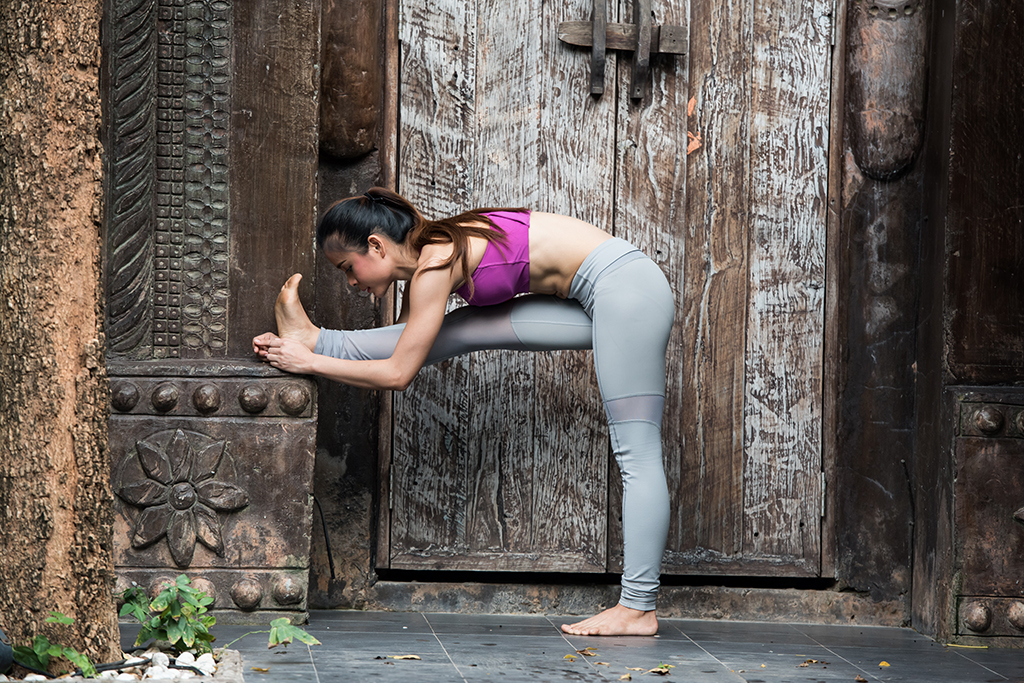
1. What is the Mysore-style Ashtanga Yoga Tradition
The Mysore style is rooted in the tradition of the city of Mysore, India, where the late Shri K. Pattabhi Jois developed and taught Ashtanga Yoga. This self-practice format allows practitioners to move through the Ashtanga sequence independently, in harmony with their breath, receiving adjustments and assistance from the teacher as needed. The individualized approach helps students develop inner discipline and deepen their understanding of the practice.
Before embarking on your Mysore journey, it’s essential to know the foundational elements:
- Primary Series Structure: Familiarize yourself with the first sequence known as Yoga Chikitsa or yoga therapy, designed to purify the body and develop strength and flexibility.
- Vinyasa: Synchronize breath with movement, flowing seamlessly from one posture to the next.
- Breath and Drishti: Cultivate focus through specific gaze points (drishti) and steady Victorious breathing (Ujjayi pranayama).
2. Start with Consistency, Not Perfection
In a traditional Mysore-style Ashtanga yoga class in Goa, Mysore and other studios in India, consistency is more important than immediate mastery. Many new practitioners feel intimidated by the complexity of the Ashtanga series. However, progress in this style comes through regular practice over time.
- Set a Realistic Schedule: Attend Mysore-style Ashtanga yoga classes minimum three days a week to establish a rhythm and practice with an experienced Ashtanga yoga teacher. Consistent practice, even if shorter in duration, strengthens physical and mental resilience.
- Listen to Your Body: Honor your limitations and avoid pushing through pain. Mysore-style Ashtanga yoga classes emphasize self-awareness, allowing you to learn when to push forward and when to rest.
- Stay Committed: Building a sustainable practice requires patience. Initial phases may feel physically demanding, but over time, your body adapts, and postures become more accessible.
3. Cultivate a Strong Foundation of Breathwork
Ujjayi pranayama is the heartbeat of Ashtanga practice. It is practiced by constricting the throat muscles when breathing in and out, and it warms the body, energizes movements, and aids in creating internal focus. Breathing deeply and consistently through each posture connects you with the flow of the practice and supports muscle engagement. In a traditional Ashtanga yoga teacher training course in Goa and other places you will learn how to practice Ujjayi as well as how to teach your students the right way.
Tips for Effective Breathwork:
- Practice deep, audible breathing, feeling each inhalation and exhalation through your nose.
- Maintain the same length and quality of breath throughout the practice to cultivate a meditative state.
- Use breath as an indicator of your physical state. Shallow or strained breathing may signal overexertion.
4. Focus on Bandhas (Energy Locks)
Engaging the bandhas, that is Mula Bandha (root lock), Uddiyana Bandha (abdominal lock), Jalandhara Bandha (throat lock) and Maha Bandha (Great lock) is fundamental in Ashtanga. These energy locks support stability, control, and safe movement between postures. Understanding how to practice the Bandhas are an important practice module in Ashtanga yoga courses.
Applying the Bandhas:
- Mula Bandha: Engage the pelvic floor muscles gently. This lock helps prevent energy from dissipating and provides a sense of groundedness.
- Uddiyana Bandha: Engage the lower abdominal muscles to lift the diaphragm and draw the navel inward. This activation stabilizes the core and supports the spine during transitions.
- Jalandhara Bandha: Practiced by tucking the chin close to the chest, locking the throat area.
- Maha Bandha: Practiced by combining all three locks together.
These are advanced practices that require guidance and instructions from experienced teachers. When practicing, take the time to learn with your teacher to ensure you are applying the Bandhas in the right way to gain maximum benefits.

5. Practice Patience with Transitions
Transitions between postures in Ashtanga yoga are as significant as the postures themselves. Mastering these movements builds strength and refines your practice. In traditional Ashtanga yoga classes in Goa and other places, learning to enter and exit poses with control becomes a vital aspect of development.
Techniques to Refine Transitions:
- Break Down Movements: Practice jumping back and jumping through in stages to ensure smooth movement and avoid injuries. It takes time to get used to transitioning and getting the movement right. Initially, you can use props or bend the knees until the full movement is achievable.
- Engage the Core: Use your bandhas to lift and guide the body smoothly. Keep your core engaged and body tight. This will help lift and move with ease.
- Controlled Landing: Focus on transitioning with mindfulness, maintaining soft landings to prevent strain on the joints.
However, just like bandhas, it is crucial to learn these transitions under the guidance of an Ashtanga yoga teacher to avoid injuries. Some transitions are also more advanced and challenging. A teacher will know which one you are ready for and which one’s require assistance or strength building before attempting with ease.
6. Develop a Strong Relationship with Your Teacher
One of the unique aspects of Mysore-style practice is the personalized attention you receive from your teacher. This guidance ensures that you progress safely and helps tailor your practice to suit your individual needs.
Be open to feedback, adjustments and corrections. They help you refine your alignment and deepen your understanding of each posture. If you encounter challenges or need clarification, don’t hesitate to communicate with your teacher.
Don’t worry about adapting modifications. Accept that certain postures may need modifications until your body is ready. Your teacher can help adapt your practice to prevent injury and promote growth.
7. Emphasize Mindfulness and Non-Comparison
A Mysore room often holds practitioners at various levels, from beginners to advanced. It’s essential to focus inward and avoid comparing your practice to others. Set personal intentions and approach each session with a mindset geared toward personal progress and inner growth, not external validation. Use mindfulness to tune into how your body feels on any given day, and adapt and modify accordingly. Yoga is a dynamic practice that shifts with your physical and mental state.
8. Support Your Practice with Proper Nutrition and Rest
A strong Mysore-style Ashtanga yoga practice extends beyond the mat. Fueling your body with nutritious foods and getting adequate rest supports your recovery and progress. Consume a balanced diet that is focused on whole, plant-based foods that provide sustained energy. Ensure you stay hydrated, especially if you practice in a warm environment, and prioritize sleep to allow your muscles to repair and prevent fatigue.
9. Understand the Role of Savasana (Corpse Pose)
Completing your practice with Savasana is important for integrating the benefits of your session. It allows your body and mind to absorb the effects of your practice and transition into rest mode. Spend at least 5-10 minutes in Savasana, lying on your back with your arms at your sides and eyes closed. During this time focus on deep, natural breathing to release tension and facilitate relaxation. You can also use the time to express gratitude for your practice and acknowledge the effort you’ve put in.
10. Adapt with Life Changes
A Mysore-style Ashtanga yoga practice is a lifelong journey. Life events, injuries, and changes in schedule can influence your practice. Being adaptable and compassionate toward yourself helps sustain your commitment in the long term. You can scale back when you need to and modify or shorten your practice during periods of stress or fatigue. Be open to changes and accept them as opportunities to learn more about your body and mind. Staying curious will help you stay committed. Take time to reconnect with your purpose. Periodically reflect on why you practice. This can reignite motivation during challenging times.
Creating a strong and stable Mysore-style Ashtanga Yoga practice is about more than just mastering the poses. It’s an immersive journey that combines consistency, breathwork, discipline, and self-awareness. By laying a solid foundation and nurturing your practice with patience, guidance, and mindfulness, you can cultivate a practice that not only strengthens your body but also enriches your life for years to come.