Top Benefits of Practicing Mysore Style Ashtanga Yoga
Popular throughout the world, traditional Ashtanga Yoga is taught in many studios across India. Among these is the Mysore Style Ashtanga Yoga class, where the teacher leads a group through a series of postures. It allows each student to move at their own pace and according to their ability, under the guidance of a teacher. This self-practice approach not only builds strength and flexibility but also promotes mindfulness and self-awareness. Here are the top benefits of practicing Mysore Style Ashtanga Yoga:
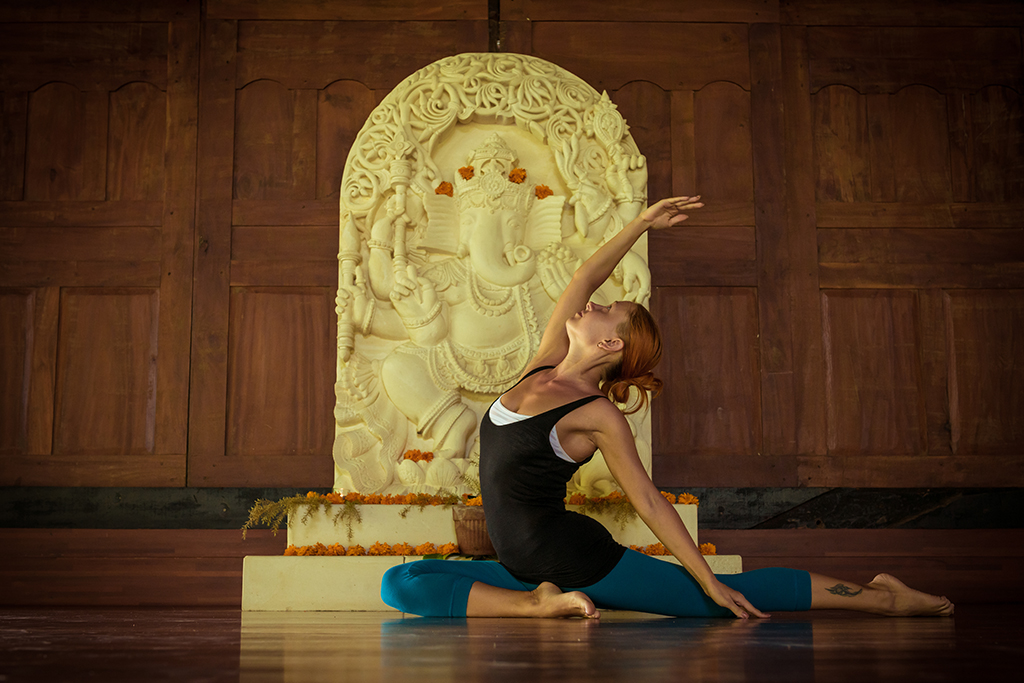
- Personalized Learning and Growth: One of the standout features of Mysore Style Ashtanga Yoga is its personalized approach. In a traditional Ashtanga Yoga class in Goa or anywhere else (even online), students practice individually within a group setting, each moving through the Ashtanga sequence at their own pace. The teacher observes, assists, and offers individualized adjustments and guidance based on the student’s level, physical condition, and needs. This allows for a more customized experience, where practitioners receive direct feedback and support, which can accelerate their learning and growth. As students advance, they are introduced to more challenging postures, helping them to deepen their practice progressively.
- Perfect to Build Strength, Flexibility, and Endurance: The Ashtanga Yoga series is known for its dynamic and physically demanding nature. The practice consists of a set sequence of postures that build progressively, challenging different parts of the body. The Mysore style emphasizes developing a strong foundation through repetition and consistency, which helps to build both physical and mental endurance. Over time, practitioners notice significant improvements in muscle tone, core strength, flexibility, and cardiovascular health. The continuous flow of movements combined with deep breathing (Ujjayi Pranayama) also enhances lung capacity and stamina.
- Promotes Discipline and Commitment: Mysore Style Ashtanga Yoga classes encourage self-discipline and commitment, as it relies heavily on regular and consistent practice. Unlike typical yoga classes, there isn’t an Ashtanga Yoga teacher verbally guiding you throughout; instead, the responsibility lies with the practitioner to remember the sequence and practice. This aspect requires practitioners to show up on their mat and commit to their practice day after day. Over time, this builds a strong sense of discipline, accountability, and self-motivation that extends beyond the yoga mat into daily life.
- Encourages Self-Awareness and Mindfulness: The Mysore method allows for a deeper level of self-exploration and mindfulness. Without the constant verbal cues of a teacher, practitioners are encouraged to tune into their own bodies and minds. This heightened awareness helps in recognizing physical limitations, understanding the breath, and observing the fluctuations of the mind. The quiet and self-led nature of Mysore practice fosters a meditative state, where one learns to be present, aware, and fully engaged in the moment. This mindfulness is a key component of yoga, which helps reduce stress and promote mental clarity and focus.
- Builds a Strong Yoga Foundation: For beginners, Mysore Style Ashtanga Yoga provides a solid foundation in both the asanas and the philosophy of yoga. New students often start with learning the Sun Salutations or Surya Namaskar sequence, and the standing postures before gradually progressing to more challenging groups of poses, such as arm balances and inversions. The incremental approach ensures that practitioners build strength, flexibility, and proper alignment before moving on to advanced postures. This step-by-step method minimizes the risk of injury and allows students to develop a deep understanding of the fundamental principles of yoga, including Pranayama and Bandhas (energy locks).
- Creates a Strong Community Bond: Despite its individualized approach, Mysore Style Ashtanga Yoga is practiced in a group setting. Practitioners of varying levels practice together, creating a supportive and encouraging environment. This sense of community, often referred to as “sangha,” encourages friendships, mutual respect, and shared experiences. The collective energy in an Ashtanga Yoga class can be deeply motivating and inspiring, helping practitioners stay committed to their practice. Additionally, the personal relationship with the teacher often develops into a meaningful mentorship, where guidance goes beyond just physical practice and touches on philosophical and lifestyle aspects of yoga. For teachers, this especially holds true during a traditional Ashtanga Yoga teacher training course as one goes through in-depth, challenging training within a short period of time, creating strong bonds.
- Improves Mental Focus and Concentration: Practicing Mysore Style Ashtanga Yoga requires a great deal of mental focus and concentration. Memorizing the sequence of poses and synchronizing each movement with the breath demands a high level of cognitive engagement. This mental discipline not only improves memory and concentration on the mat but also translates into everyday life, enhancing one’s ability to focus on tasks and manage distractions. The repetitive nature of the practice also allows the mind to settle into a rhythm, helping to cultivate a state of deep concentration, known as Dharana, in yoga.
- Enhances Emotional Resilience: Yoga is not just a physical practice; it is also a journey of emotional and spiritual growth. The intensity and dedication required for Mysore Style Ashtanga Yoga can often bring up emotional and mental challenges, such as frustration, impatience, and fear. Confronting these emotions and working through them on the mat builds emotional resilience and helps practitioners develop a more balanced and equanimous approach to life. This practice of facing and overcoming inner obstacles creates a greater sense of inner peace and emotional well-being.
- Promotes Detoxification and Cleansing: The dynamic movements and sequences of Ashtanga Yoga, combined with Ujjayi breathing, generate internal heat, which promotes sweating and detoxification. This process helps to flush out toxins from the body, cleanse the internal organs, and improve circulation. The detoxifying benefits extend beyond the physical, as the practice also encourages the release of negative emotions and mental patterns, leading to a sense of renewal and rejuvenation.
- Provides a Lifelong Practice: Ashtanga Yoga is designed to be a lifelong journey. It is not a quick fix or a trend but a practice that evolves with you over time. It offers a structure that practitioners can continually return to, refining, deepening, and exploring at every stage of life. The sequence remains consistent, yet the practice always feels new because it reflects the changing nature of the practitioner—physically, mentally, and spiritually. Moreover, because it is a progressive journey, one finds that there is always a new challenge and something greater to work towards.
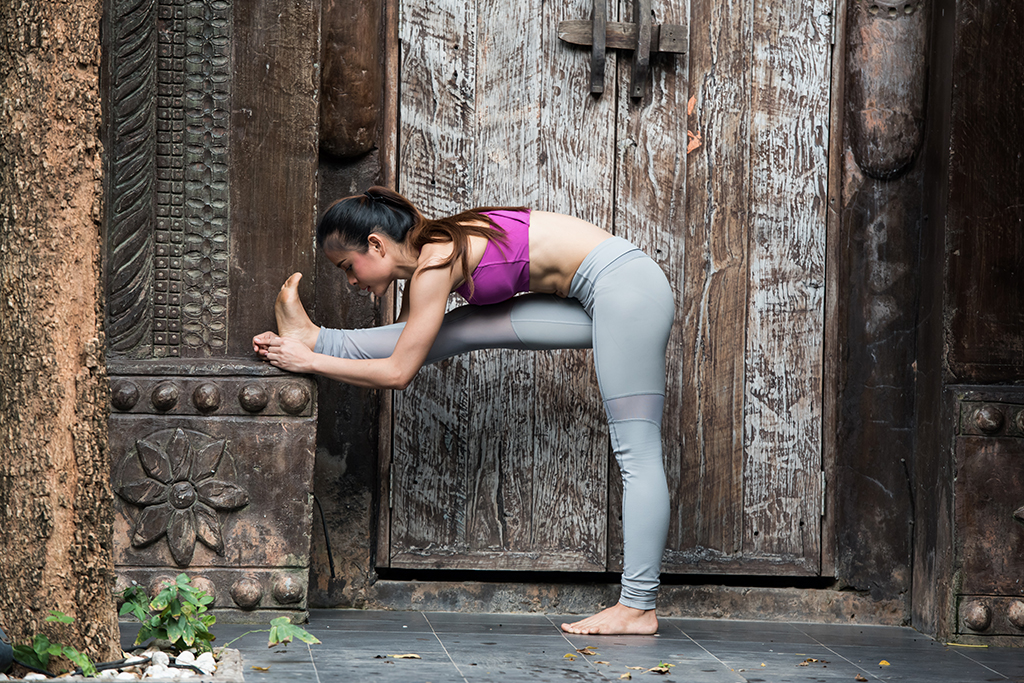
Mysore Style Ashtanga Yoga promotes holistic health by addressing the body, mind, and spirit. Physically, it enhances strength, flexibility, balance, and detoxification through sweating and deep breathing. Mentally, it reduces stress, improves focus, and cultivates mindfulness. Spiritually, it encourages self-reflection, inner growth, and a deeper connection to one’s inner self. This integrative approach supports overall well-being, helping practitioners lead healthier, happier, and more balanced lives. Whether you are a beginner or an experienced yogi, Mysore Style Ashtanga Yoga provides a personalized and deep journey that supports holistic health and well-being.