What to Expect from a Traditional Ashtanga Yoga Teacher Training Program
Ashtanga Yoga is known for its structured, physically demanding sequences and deep-rooted traditions. A traditional Ashtanga Yoga Teacher Training Program offers invigorating physical journeys, as well as a deep experience of self-discovery, discipline, and spiritual awakening. Whether you are drawn to Ashtanga for its focus on breath, bandhas (energy locks), drishti (gaze), or the eight limbs (Ashta + Anga), a teacher training program in this style will give you a thorough understanding of this classical form of yoga.
This blog explores what you can expect from a traditional Ashtanga Yoga Teacher Training Program, covering various aspects of curriculum, daily routine, teaching methodology, and how the training can shape your personal practice and teaching skills.
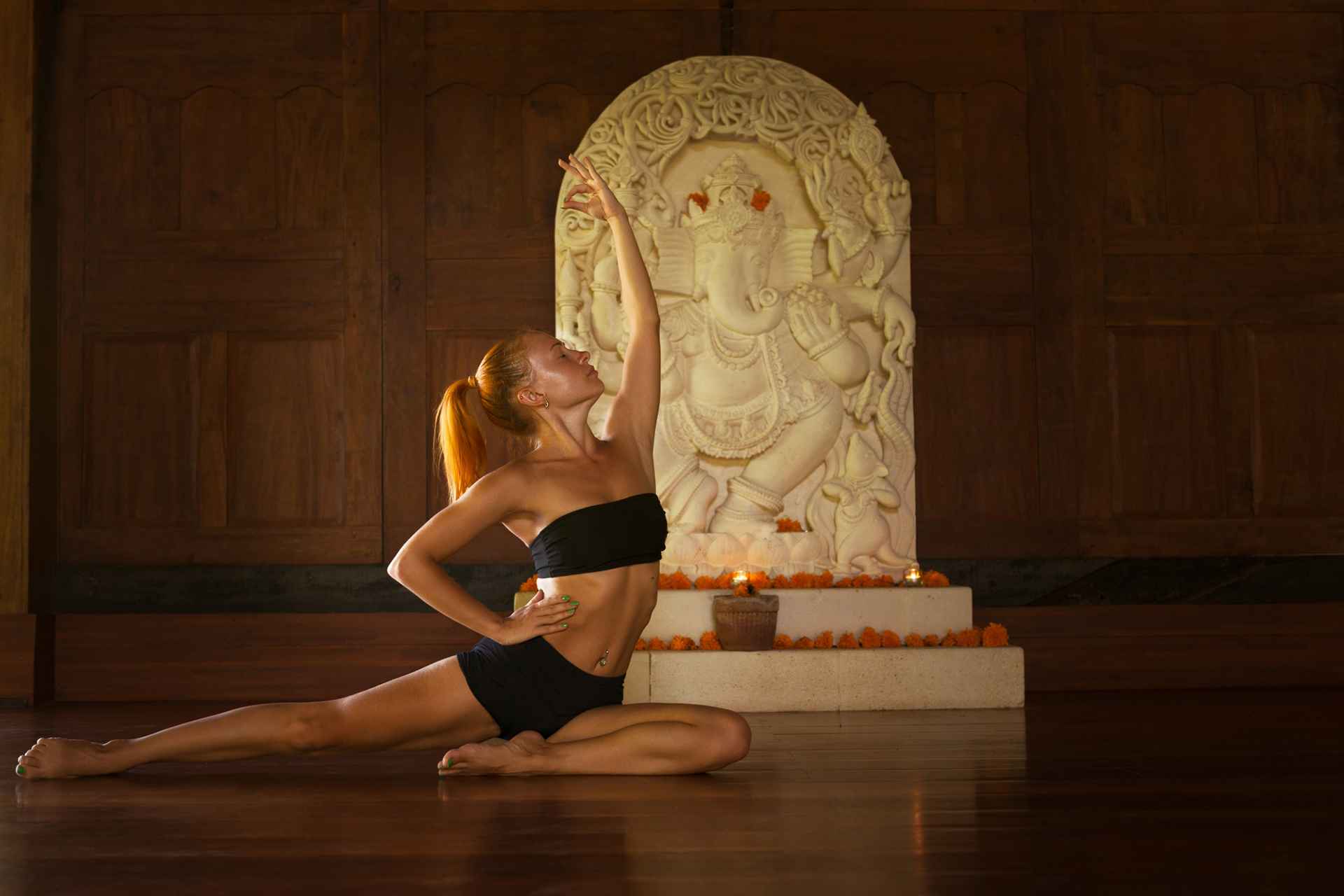
1. A Strong Foundation in Tradition and Philosophy: At the heart of any traditional Ashtanga teacher training program lies philosophy and wisdom that dates back to sacred texts. Today, these scripts guide yoga practitioners on their physical and spiritual journey. During your Traditional Ashtanga Yoga Teacher Training Course (TTC), you can expect to dive deep into the following philosophical aspects:
- The Yoga Sutras of Patanjali: This ancient text serves as a guide for understanding the broader spiritual and ethical aspects of yoga, emphasizing the Eight Limbs of Yoga.
- Ashtanga’s Eight Limbs (Ashta + Anga): The program will go beyond physical postures and emphasize a holistic approach to yoga, introducing yama (ethical guidelines), niyama (personal disciplines), pranayama (breath control), pratyahara (withdrawal of the senses), dharana (concentration), dhyana (meditation), and samadhi (union).
- Mantras and Chanting: Students are often introduced to Sanskrit mantras, particularly the opening and closing chants of Ashtanga yoga. This adds a devotional and meditative dimension to the practice. You’ll complete your traditional Ashtanga Yoga TTC with an in-depth understanding of how the physical practice of asanas relates to the broader spiritual framework of yoga.
2. Physical Practice and Mastering the Primary Series: In a traditional Mysore Style Ashtanga Yoga Teacher Training Program, the primary series (Yoga Chikitsa) is often the main focus. This is the foundational sequence of postures designed to cleanse and align the body, improve flexibility, and build strength. Here’s what you can expect from this aspect of your Ashtanga Yoga TTC:
- Daily Mysore-Style Practice: In many traditional Ashtanga programs, the practice is self-paced in a Mysore-style setting. Students move through the series at their own pace (as they would in Ashtanga Yoga classes) under the guidance of the teacher, who offers adjustments and personalized instruction.
- Learning the Correct Counts: Ashtanga yoga is based on a precise synchronization of breath and movement. You will learn the correct counts for each posture, which forms the basis of how you will teach Ashtanga yoga.
- Developing Strength and Flexibility: You’ll work intensively on core engagement, alignment, and flexibility, especially focusing on key poses like Urdhva Dhanurasana (Wheel Pose, a backbend), Marichyasana D (Twisting pose), and Supta Kurmasana (Tortoise Pose, a forward bend).
- Assisting and Adjusting: As you progress, you’ll also learn how to offer safe, effective adjustments to students. This helps deepen their practice while preventing injuries.
During your Ashtanga Yoga Teacher Training Course you should be ready for a steep learning curve, especially if you are relatively new to the Ashtanga system. However, with consistent practice and commitment, your stamina and strength will grow considerably.
3. Mastering the Breath with Ujjayi Pranayama: Breath is an integral part of Ashtanga yoga. Ujjayi Pranayama, the victorious breath, is maintained throughout the practice to create internal heat, purify the body, and calm the mind. In your Ashtanga Yoga TTC, you will learn to:
- Practice Ujjayi Pranayama: This involves a deep, audible breath through the nose, creating a slight constriction in the throat. You’ll practice keeping this breath steady and controlled throughout the asanas you do.
- Breath Awareness: You will be constantly reminded of the importance of the breath, not only to support physical postures but also to maintain mental clarity and focus.
- Breathing Techniques for Pranayama Practice: You will dive into advanced pranayama techniques, such as Nadi Shodhana (alternate nostril breathing) and Kapalabhati (skull shining breath), which are important for purifying the mind and energy channels (nadis).
4. Building a Teaching Foundation: A traditional Ashtanga yoga teacher training is not just about personal practice; it is also about becoming a competent teacher. The training will cover teaching methodology in detail:
- Vinyasa Krama (Sequencing): You’ll learn the importance of sequencing and how to properly guide students through the Primary Series. This includes understanding how postures flow together, the breath-to-movement ratio, and the transitions.
- Verbal Cues: A large portion of Ashtanga teaching involves leading students with verbal instructions. You’ll practice giving clear, concise cues while also learning how to hold space for your students.
- Hands-on Adjustments: You’ll receive hands-on training in how to safely assist students into and out of postures, working with the subtle nuances of body mechanics.
- The Art of Observation: Ashtanga teachers must be observant. You’ll learn how to assess your students’ strengths and limitations, offering modifications as needed.
- Holding Space for Students: Teaching yoga involves creating an atmosphere of safety and support. Your Ashtanga Yoga TTC will encourage you to explore the emotional and psychological aspects of teaching, such as how to manage group dynamics and offer compassionate guidance.
5. Traditional Daily Routine and Discipline: One thing you can count on in an Ashtanga training is structure and routine. Most programs follow a traditional daily schedule that reflects life at a traditional yoga ashram or school. Courses across India, such as traditional Ashtanga Yoga Teacher Training Goa courses also follow a similar routine. This includes:
- Early Morning Practice: You’ll most likely start your day early, often around sunrise, with pranayama or Mysore-style practice. Practicing in the early hours helps attune the body to natural rhythms and cultivates discipline.
- Study and Philosophy Classes: After asana practice, the day typically includes lectures or group discussions on yoga philosophy, anatomy, and other theory topics.
- Chanting and Meditation: Evenings are often dedicated to chanting or meditation, helping you to integrate the day’s learnings and maintain balance between the physical and spiritual aspects of the training.
- Simplicity in Living: Living simply and refraining from distractions such as technology or indulgent foods allows you to focus deeply on your yoga journey. This lifestyle shift encourages inner growth and heightened awareness.
6. A Supportive Yoga Community (Sangha): Another vital aspect of the Ashtanga Yoga TTC is the sense of community you will build with fellow students and teachers. This shared experience creates a supportive environment in which everyone is working towards self-improvement.
- Peer Support: Whether it’s during challenging postures or philosophical discussions, you’ll have the opportunity to lean on and learn from your peers.
- Teacher Guidance: The personal mentorship you receive from experienced Ashtanga teachers will be invaluable. Many traditional programs have a master-student relationship that encourages deep trust and learning.
- Accountability and Growth: Practicing daily with a group cultivates accountability, pushing you to your limits, while also offering a sense of belonging and mutual encouragement.
7. Challenges and Personal Growth: Finally, be prepared for physical, mental, and emotional challenges. A traditional Ashtanga yoga teacher training is intense, both in terms of the physical demands of the practice and the inner work required. A few challenges commonly faced by many are:
- Physical Challenges: Tight hamstrings, sore muscles, and postural limitations are common in the early stages of training. But with persistence and consistent practice, you will see significant progress.
- Mental Blocks: Ashtanga yoga teaches patience and humility. You will be encouraged to let go of ego and embrace the process, even when it’s uncomfortable.
- Spiritual Growth: Beyond the asana, the training will challenge you to confront aspects of yourself that need healing, offering a path towards inner transformation.
A traditional Ashtanga Yoga Teacher Training Program offers a unique and enriching experience that goes far beyond just learning physical postures. It is a complete immersion into the philosophy, discipline, and lifestyle of a classical yoga tradition. You’ll graduate from your course as a more proficient practitioner, who is also a mindful, compassionate teacher with a deeper understanding of the spiritual essence of yoga.