Why is Ashtanga Yoga Great for Beginners?
Ashtanga Yoga practice is known for its discipline, power, energizing and transformative benefits. While it might seem intimidating at first glance due to its vigorous nature, Ashtanga Yoga asana practice has numerous advantages. Practiced in harmony with the breath, this style of yoga provides a strong foundation for building a lifelong yoga practice. Let’s explore why Ashtanga Yoga is great for beginners, discussing its principles, benefits, and what newcomers can expect from this traditional yet powerful yoga style.
Structured Approach with a Set Sequence
One of the unique features of Ashtanga Yoga that makes it great for beginners is its structured approach. In Ashtanga Yoga classes, practitioners follow a fixed sequence of poses that are meant to be practiced in the same order every time. This consistency allows beginners to become familiar with each posture, making it easier to learn and progress in the practice.
By practicing the same sequence repeatedly, beginners can quickly memorize the poses, transitions, and breathwork. This repetition works on one’s muscle memory, allowing practitioners to focus more on alignment, breath, and the internal experience. Moreover, Ashtanga Yoga’s fixed sequence helps beginners gauge their progress. By practicing the same poses regularly, newcomers can easily notice improvements in strength, flexibility, endurance and balance. This provides a sense of accomplishment and motivation to continue.
Emphasis on Breath and Movement Synchronization
Ashtanga Yoga places significant emphasis on the synchronization of breath and movement. Each movement is linked to either an inhalation or exhalation, creating a seamless transition. Coordinating breath with movement encourages beginners to stay present and focused on their practice. This mindfulness is a key aspect of yoga, promoting a meditative state, greater body awareness and reducing mental chatter. Teachers are also well-versed in providing the right breathing cues as this is an integral part of traditional Ashtanga Yoga teacher training courses. As beginners learn to control their breath during practice, they gradually enhance their lung capacity and respiratory function, improving stamina.
Builds Strength, Flexibility, and Endurance
The physical demands of Ashtanga Yoga might seem challenging for beginners, but it is precisely these demands that make it such an effective practice for building strength, flexibility and endurance. The practice includes a balanced combination of standing poses, seated poses, backbends, and inversions, all of which contribute to overall physical development. Continuous synchronization of the breath and usage of key muscles boosts endurance and stamina as students take on challenging poses and flows.
Ashtanga Yoga involves numerous poses that require engaging core muscles, arms, legs, and back. Poses such as Chaturanga Dandasana (Four-Limbed Staff Pose), Utkatasana (Chair Pose), and Virabhadrasana 1 and 2 (Warrior Poses) are excellent for strengthening major muscle groups. Regular practice also stretches and lengthens the muscles, gradually increasing flexibility. Forward bends, hip openers, and backbends in the primary series target different muscle groups, helping beginners improve their range of motion.
Creates Discipline and Consistency
Ashtanga Yoga courses and classes help develop discipline, dedication and consistency. In a traditional Ashtanga Yoga class in Goa or even online, the practice is done six days a week, with each day dedicated to repeating the same sequence. This disciplined approach builds consistency, which is crucial for beginners. Regular practice not only improves physical abilities but also creates a sense of stability and mindfulness that permeates daily life. Beginners who adopt these routines often find that the discipline extends to other areas of their lives, such as work, relationships, and self-care.
Focus on Internal Awareness through Drishti and Bandhas
In a traditional Ashtanga Yoga class in Goa as well as other studios, students will find immense priority given to integrating principles of drishti (gaze) and bandhas (internal locks) to deepen the practice and focus the mind. These elements help beginners cultivate internal awareness, an essential aspect of yoga beyond the physical postures.
- Drishti (Focused Gaze): Each pose in Ashtanga Yoga has a specific drishti or point of focus. Focusing the gaze during practice helps to develop concentration, internal awareness, balance and a meditative state of mind. This practice helps beginners to turn their attention inward and reduce distractions.
- Bandhas (Energy Locks): Ashtanga Yoga incorporates three primary bandhas: Mula Bandha (root lock), Uddiyana Bandha (abdominal lock), and Jalandhara Bandha (throat lock). Learning to engage these bandhas helps beginners control their energy flow, deepen their practice, and protect themselves from injuries.

Cultivates Mental Clarity and Emotional Balance
Beyond the physical benefits, Ashtanga Yoga is known for its ability to cultivate mental clarity and emotional balance. This holistic approach is particularly beneficial for beginners who are looking for more than just a physical workout. The combination of breathwork, movement, and mindfulness helps reduce stress and anxiety. As beginners learn to focus on their breath and the present moment, they develop coping mechanisms for dealing with daily stressors.
The challenging nature of Ashtanga Yoga can bring up emotional resistance and release. Through regular practice, beginners learn to face and release suppressed emotions, leading to emotional healing and growth.
Adaptability for All Levels and Ages
Although Ashtanga Yoga is known for its rigor, it is highly adaptable for practitioners of all levels and ages, including beginners. With the guidance of an experienced teacher, the practice can be modified to suit individual needs.
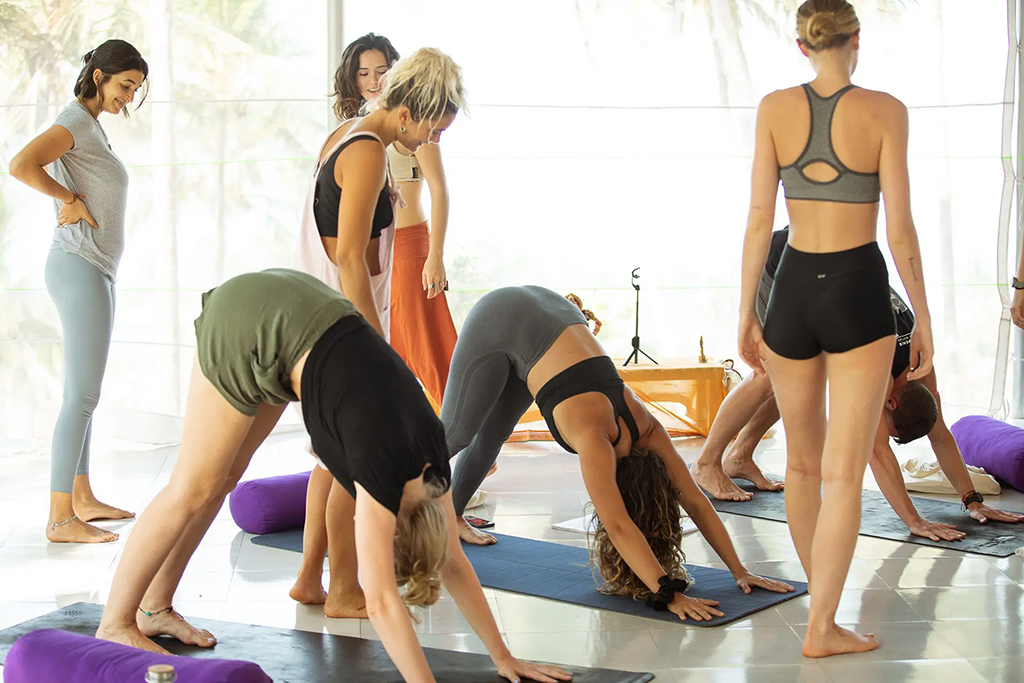
- Modifications and Variations: Experienced teachers provide modifications and variations for poses that may be challenging for beginners. Props such as blocks, straps, and bolsters can also be used to make poses more accessible.
- Accessible for All Ages: Ashtanga Yoga can be practiced by individuals of any age. The physical and mental benefits of the practice make it suitable for everyone, from young adults seeking strength and flexibility to seniors looking for stability and mindfulness.
Ashtanga Yoga provides an excellent foundation for beginners. It not only builds physical strength, flexibility, and stamina but also cultivates mental clarity, emotional balance, and a deeper sense of self-awareness. Despite its reputation for being challenging, Ashtanga Yoga is highly adaptable and can be tailored to suit any beginner’s needs.
Commit to the practice and watch the beautiful, profound growth and transformation that unfolds within you and in your life!